When people ask what it is like to run a fully remote company, they expect me to talk about the perks. There is no commute. We can hire great people wherever they live. A laptop and strong Wi-Fi replace a lease. Those advantages are real, and I do not take them for granted. However, they are not the hard part.
The hard part is trust. A fully remote company depends on it from the first hire. Trust also carries more weight than four walls ever could. There is no lobby, shared elevator, or hallway where a leader can read the room. Strip those signals away, and the real foundation of every company becomes visible.
THE RESPONSIBILITY NO ONE TALKS ABOUT
In an office, presence quietly does some of leadership’s work. You can see who arrived early, who has focused deeply, and who seems off. Remove the room, and that visual reassurance disappears. Then a simple truth remains: everyone must do the right thing when no one watches. We carry that responsibility every day, in both directions. My team trusts me to provide clear direction instead of vague pressure. In return, I trust them to protect the mission even when their cameras are off.
TRUST IS BUILT ON CLARITY, NOT SURVEILLANCE
When leaders cannot see their teams, surveillance can feel like an easy shortcut. Some reach for tracking software, constant check-ins, or keystroke logging. I have never believed in that path. Surveillance does not build trust; it borrows against it. Monitoring tells people that leaders do not believe in them. The best hires will not stay around to argue.
The better approach looks almost boring: written expectations, clear outcomes, and ownership over hours. Judge people by what they ship, not when they log in. If someone does their best work at midnight, that can be a win rather than a warning. Remote work forces leaders to manage through clarity. Every lazier alternative eventually fails.
THE VIDEO CALL BECOMES THE OFFICE
Communication becomes the infrastructure of a fully remote company. Hallway conversations, quick glances, and context no longer travel by osmosis. Teams must say things aloud, write them down, or place them on a shared screen. That requires more work, not less. I write more than I ever expected as a founder. I also overcommunicate on purpose because silence can feel like absence.
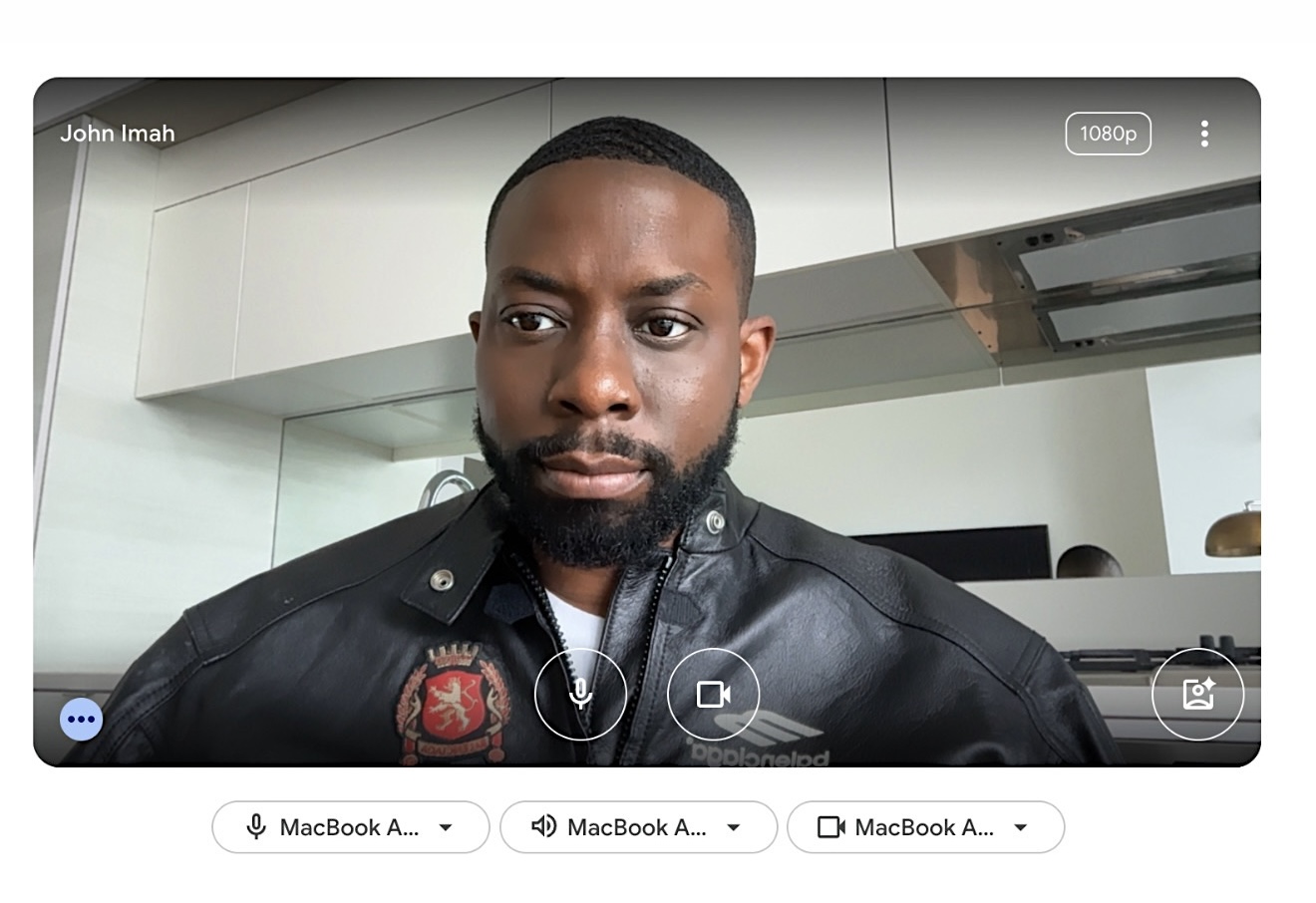
Video calls carry weight they were never designed to hold. They become the standup, the hallway check-in, and the moment you notice who looks tired. Therefore, I show up on camera as intentionally as I would enter a room. A remote team deserves a present leader, not merely an available one.
THE DISCIPLINE OF LEADING WITHOUT WALLS
This version of leadership also brings an unexpected loneliness. Without an office, teams lose the small moments that remind them they are building together. Leaders must create those moments intentionally. Otherwise, they disappear. A remote leader also has to test their own read on morale. You must ask direct questions and listen closely to the answers.
None of this is a complaint. I would not trade the flexibility, global access to talent, or ownership our team brings to the work. Still, leaders should be honest about the cost. Online images of people working from beaches skip the discipline underneath. Remote work does not remove structure. Instead, it turns trust into a system that people choose to honor every day.
If you are building something of your own this season, remote or otherwise, I write more about what leadership actually feels like on my blog, including the hidden struggles of being a founder and CEO.
 English
  French
  Italian
  German
  Spanish
  Portuguese
  Japanese
  Chinese (China)
  Chinese (Taiwan)
  Hindi
Hindi  Arabic
  Bengali
  Urdu
Urdu  Indonesian
  Malay
Malay  Vietnamese
  Thai
Thai  Korean
  Russian
  Turkish
  Dutch
Dutch  Polish
  Ukrainian
  Romanian
  Czech
Czech  Greek
Greek  Hebrew
  Swahili
  Yoruba